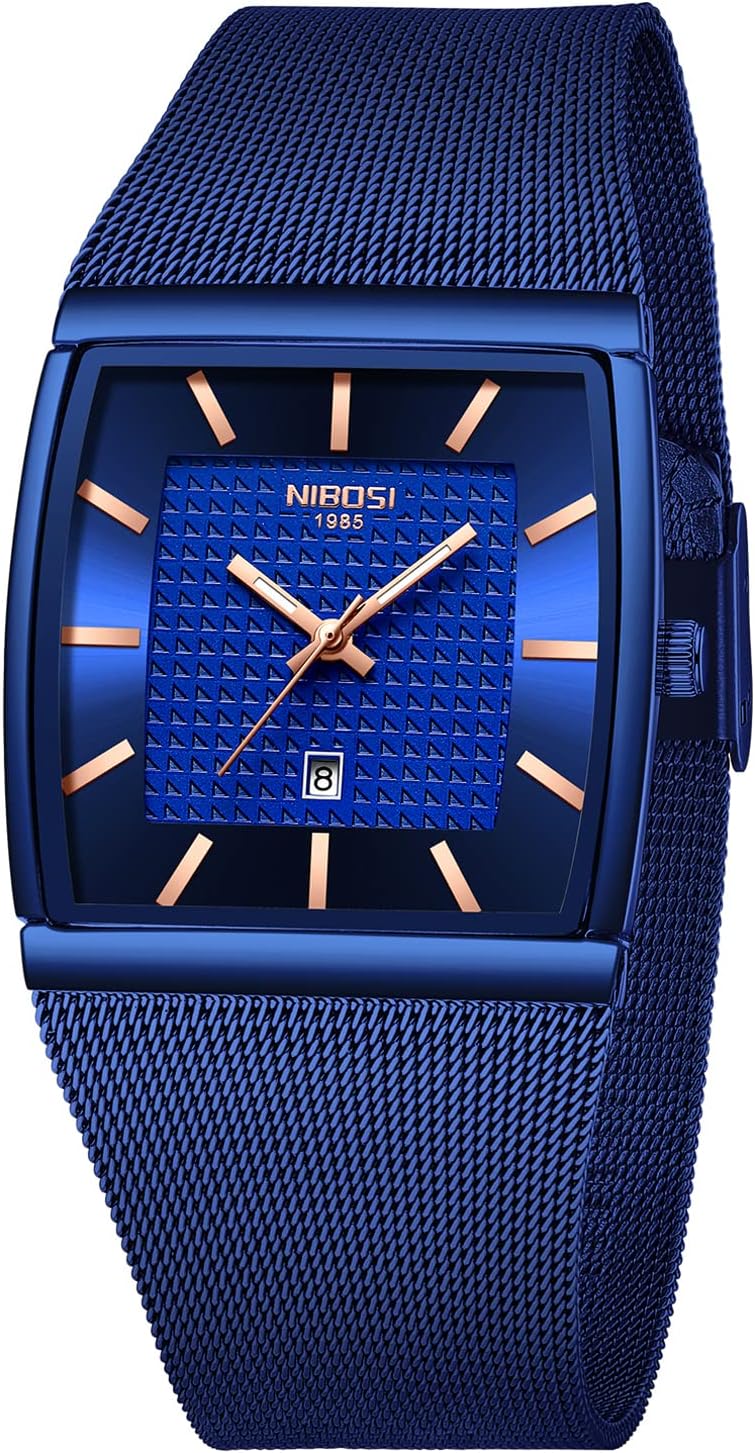

Why We’re Comparing OMEGA and OLEVS: Our Purpose and Method
We created this head-to-head to help watch buyers weighing value against quality. We focus on men’s watches and keep things practical: brand positioning, movement quality, build materials, design and wearability, features, after-sales service, and resale. Our aim is clear — give you a straightforward verdict so you can choose with confidence and avoid buyer’s remorse.
We tested models hands-on, inspected finishing, timed movements, and evaluated comfort over real wear. We balanced objective measures with everyday usability. Throughout, we prioritize what matters to buyers: reliability, style, and long-term value. Expect a friendly, no-nonsense comparison and a concise conclusion tailored to your priorities. Let’s find the best fit together for you today.

Brand Heritage and Positioning: What Each Brand Stands For
OMEGA: Legacy, precision, and luxury infrastructure
We see OMEGA as a storied Swiss maison: think Speedmaster on the Moon, Seamaster on James Bond’s wrist, and decades of alignment with sports timing and spaceflight. That heritage shapes expectations — higher-grade materials, industry-leading movements (co-axial, Master Chronometer), and a global after-sales network. Practical takeaways: OMEGA backs many models with a 5‑year warranty and has certified accuracy standards, which supports long-term reliability and stronger resale potential compared with mass-market brands.
OLEVS: Affordable, design-forward, budget-first
OLEVS occupies the opposite end: a value-focused, style-driven brand that targets buyers who want the look without the price. Most OLEVS pieces are sub-$200, mix quartz and basic automatics, and emphasize fashion-forward dials and straps. Expect good initial style and acceptable daily use, but modest finishing, component sourcing from common suppliers, and limited global service infrastructure. In short: great for trend-driven purchases, less so if you expect decades-long ownership or investment value.
How positioning affects what to expect — practical tips
These positioning differences translate into real-world expectations for materials, manufacturing standards, warranty coverage, and long-term desirability — facts we keep front of mind when recommending watches.
Design Language and Wearability: Style, Materials, and Comfort
Case shapes, sizes, and how they wear
We look first at proportions. OMEGA pursues tailored case geometry — think the Speedmaster’s ~42mm that sits compactly because of lug shape, or the Seamaster’s tapered lugs that hug the wrist. OLEVS tends toward straightforward round cases in common diameters (38–44mm) with less nuanced lug-to-lug design. Practical tip: measure lug-to-lug, not just diameter; a 40mm watch with short lugs can wear smaller than a 38mm with long lugs.
Dials, finishing, and real-world legibility
OMEGA uses multilayer finishes — sunbursts, enamel, ceramic inlays — which change with light and read clearly at a glance. OLEVS often relies on printed textures and applied indices that look good in photos but can lack depth in person. For daily wear, prioritize contrast (hands vs. dial) and anti-reflective coating for quick legibility.
Bracelets, straps, and touchpoints
Bracelets make daily life easier: OMEGA’s solid-link bracelets, precise endlinks, and micro-adjust clasps feel reassuring and reduce desk-banging. OLEVS straps and bracelets are lightweight and stylish but may use folded links and basic buckles that need occasional tightening.
Crystal, bezel, and lume performance
Sapphire with AR coating (common on OMEGA) remains our go-to for scratch resistance and clarity. OLEVS often uses mineral glass or entry-level sapphire — fine for casual use but less durable long-term. Bezel construction differs too: ceramic and solid inserts on higher-end watches resist fading; plated bezels on budget pieces show wear sooner. For night use, OMEGA’s stronger Super‑LumiNova outperforms the modest lume on most OLEVS pieces.
How to try and match a watch to your life
Next, we’ll look under the hood — how these design choices pair with the movements and accuracy that truly define ownership experience.
Movements and Accuracy: What Powers the Watches
We dig into what lies beneath the dial — the movements — and why they matter for both reliability and value. Below we break down the practical differences you’ll feel day-to-day.
OMEGA: Swiss mechanical engineering and precision
Omega leans heavily on in‑house development and advanced mechanical tech: co‑axial escapements, silicon balance springs, and many Master Chronometer (METAS) certified calibres. Think Seamaster Diver 300M with Calibre 8800 or the Moonwatch’s Calibre 3861. Those features translate to real benefits: superior long‑term stability, anti‑magnetic protection (to 15,000 gauss on many models), and factory-regulated accuracy typically within 0/+5 seconds per day for Master Chronometer movements.
OLEVS: Accessible quartz and basic automatics
OLEVS models usually favor cost-effective choices: reliable quartz movements or entry-level automatics sourced from mass-market suppliers (Japanese Miyota/Seiko or Chinese alternatives). That means dependable daily accuracy out of the box for quartz, and decent, but variable, performance for basic autos — more frequent regulation may be needed.
Real-world accuracy and what to expect
Service intervals, costs, and ownership tips
Practical tips: choose quartz for low‑fuss daily reliability, pick mechanical if you value craftsmanship and long-term value. Always ask for movement provenance or service history when buying used, and get water‑resistance checks after any case opening.
Build Quality and Materials: Durability, Finishing, and Craftsmanship
We now look at the physical bits that decide whether a watch survives daily life or needs constant babysitting. Below we break down the tangible elements — and what to check before you buy.
Case materials and finishing
Omega typically uses high‑grade stainless steels, precious metals, ceramics and titanium with tight polishing/brushing transitions. Many OLEVS pieces use plated or lower‑grade steels that show wear sooner. Superior metals and machining mean less corrosion, crisper edges, and a lasting “new” look.
Bracelet, end‑links and fit
Solid, milled links and fitted (milled) end‑links — common on Omegas like the Seamaster — reduce stretch and rattle. Budget brands often use folded or hollow links and pressed end‑links, which are lighter but loosen over time. In practice, a solid‑link bracelet feels heavier and more reassuring every day.
Crystal: sapphire vs mineral vs hesalite
Sapphire is highly scratch‑resistant (common on Omega), mineral glass resists shattering better than acrylic but scratches easier, and hesalite (used on some Speedmaster variants) can be buffed out. Choose sapphire for heavy daily wear, mineral for cost-conscious casual use, and hesalite only if you like vintage authenticity.
Water‑resistance construction
Look for screw‑down crowns, proper gasket seats, and caseback sealing. Omega often uses threaded crowns and proven gaskets; many budget watches rely on push‑in crowns and simpler seals. For swimming or diving choose verified screw‑down systems and get pressure‑tested periodically.
Finishing, tolerances and longevity
Tighter tolerances (machined cases, polished chamfers, uniform brushing) reduce dirt traps and wear on moving parts. That precision is why higher‑end watches need fewer repairs and hold up as family heirlooms.
Practical checklist — what to prioritize
Quick pre‑purchase checks: inspect lug-to‑endlink gaps, wiggle the crown, press the pushers, and check crystal edges for chips — small telltales of build quality.
Features, Complications, and Functionality: Practical Use Cases
Common complications and everyday utility
We look at what actually gets used. Omega offers factory-grade chronographs (Speedmaster), true dive bezels and 300m+ WR (Seamaster), and robust GMT options. These complications are engineered for repeated, real-world use. OLEVS and similar budget brands commonly offer chronograph dials, date windows, and GMT-style hands, but often as simpler quartz modules or lower-spec mechanical movements—useful, but not always as durable or serviceable.
Performance features that matter
Whenwe’re choosing features, we prioritize reliability over novelty. Key performance items:
Feature-to-price: meaningful versus stylistic
We ask: will you actually use the complication? A purposeful chronograph or proper GMT adds daily value for pilots, divers, or travelers. Decorative subdials and faux bezels are style, not utility. Pay up for tested performance (real WR, certified anti‑magnetism) rather than for looks alone.
Choose features by lifestyle
We recommend listing which daily tasks you want the watch to solve, then matching complications to that checklist before buying.
Ownership Experience and Resale: Service, Warranty, and Long-Term Value
Warranty and service network
We look beyond the sale. Omega provides manufacturer warranties (typically 5 years for newer models) and an extensive authorized service network worldwide. That means official parts, factory calibration (Co‑Axial/Master Chronometer adjustments), and a service history that supports resale. OLEVS usually offers shorter warranties and relies on regional distributors; after warranty, repairs often go to local watchmakers.
Cost, convenience, and parts availability
Servicing an Omega through authorized centers is more expensive but predictable: a routine full service can range roughly $500–$1,200 depending on movement complexity and region. Turnaround is longer but parts and water‑resistance testing are official. For OLEVS, basic battery changes or quartz repairs are inexpensive ($10–$60); mechanical servicing via independent watchmakers can be $50–$300. Parts for budget brands are often generic or swapped from donor movements — cheaper, but sometimes less consistent.
Resale and collectibility
Brand equity drives resale. Icons like the Omega Speedmaster and Seamaster hold value and attract collectors; limited editions and well‑documented service histories command premiums. OLEVS watches generally depreciate quickly; resale is mostly private‑sale or trade‑in at low multiples. If you aim for investment or heirloom potential, brand provenance and documentation matter far more than cosmetic condition alone.
Practical tips to preserve value
With these ownership realities in mind, we’ll use them to inform our final verdict on choosing between OMEGA and OLEVS.
Our Verdict: How to Choose Between OMEGA and OLEVS
We recommend OMEGA if you prioritize premium materials, in‑house movements, comprehensive service networks and long‑term resale value; its higher upfront cost buys durability, precision and heritage. Choose OLEVS if you want attractive styling, low initial outlay and practical everyday functions—good design.
When choosing, focus on the features we’ll use, verify warranty and service, and try watches on to judge comfort. Buy thoughtfully: a well‑matched watch brings satisfaction and retains worth. We encourage you to research, compare models and pick the watch that fits your life. Happy hunting — choose with confidence today.