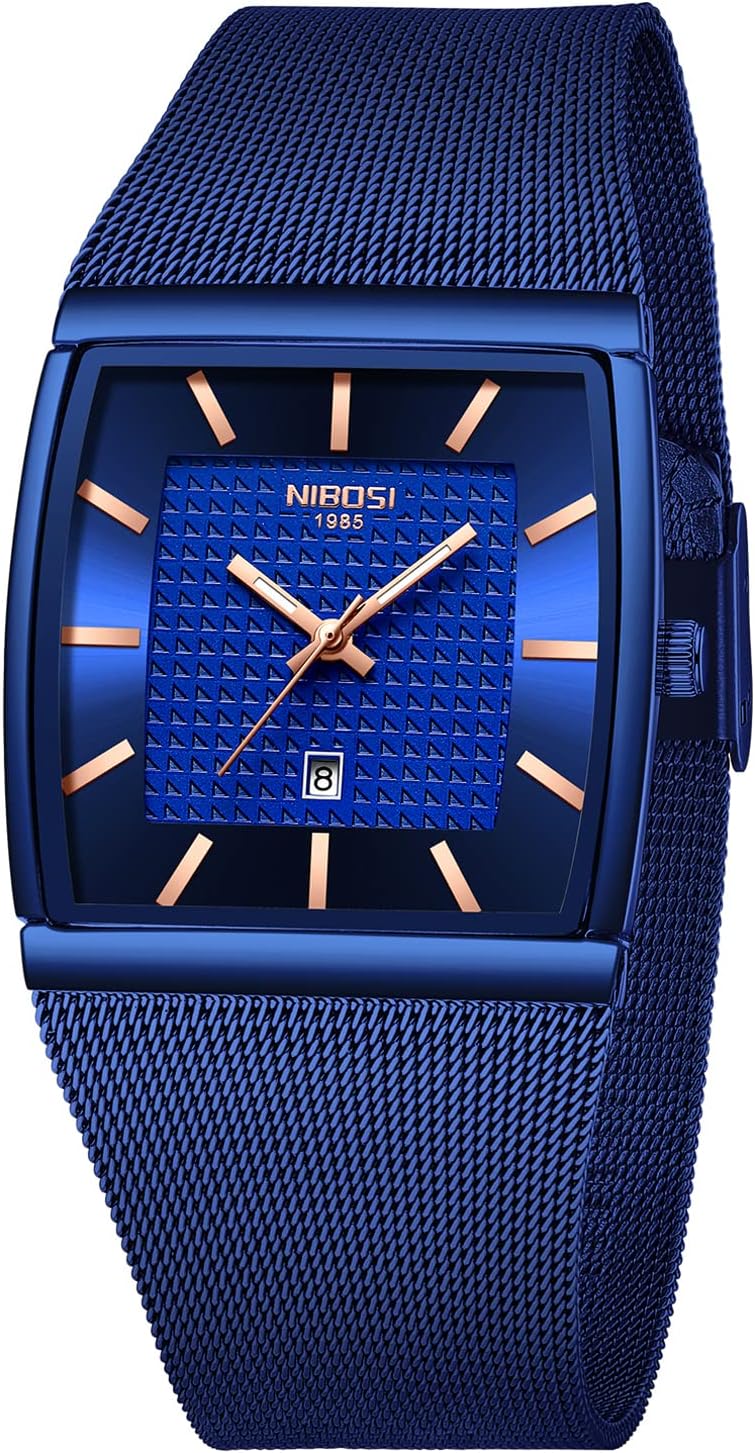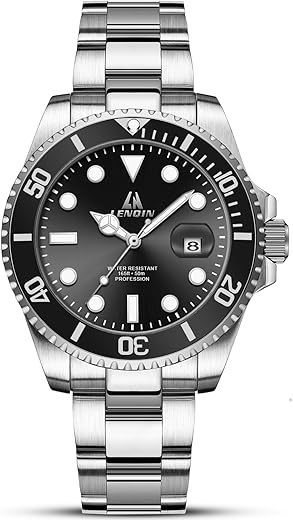

Why We Score Cheap OLEVS Men’s Watches on Warranty and Returns
We know buying an affordable OLEVS men’s watch can feel like a leap of faith — especially when you care about warranty protection and easy returns. In this guide we explain how we evaluate cheap OLEVS models, so you can buy confidently, spot red flags, and understand trade-offs between price and post-purchase support.
We walk through the terms we check, the real-world tests we run, and the scoring factors that matter most for budget buyers. By the end you’ll know how to compare offers, avoid common pitfalls, and pick a cheap OLEVS watch that includes the warranty and return support you need without overpaying for service or confusing paperwork.

Our Scoring Framework: What We Measure and Why
Quick overview
We build our scores so they’re transparent and repeatable: every watch earns points across the same seven categories, then those points are combined with a clear weighting so you can see what drove a higher or lower score. Think of it as a recipe — the same ingredients, measured the same way.
The criteria and weights
We measure these core areas:
These weights favor after-sale protection (warranty + returns + support = 40%) while still rewarding core performance and durability.
How we convert subjective impressions into scores
Subjectivity is controlled by checklists and repeatable tasks: multiple reviewers assess feel, finishing, and craftsmanship on a 1–10 checklist (lug finish, crown action, dial printing, strap quality). For movement tests we run a 48–72 hour timekeeping log and report average deviation in seconds/day. Customer support is timed and logged (response time, resolution quality). We normalize all results to a 0–100 scale to make comparisons simple.
Price adjustment and fair comparisons
We adjust raw performance by price using a simple multiplier: Performance Score / Price Tier. That prevents a $25 model with a great warranty from being unfairly outranked by a $150 model that’s technically better but delivers worse value.
How to use the framework yourself
Quick steps:
Warranty: Coverage, Duration, and Fine Print We Inspect
What we look for in a solid warranty
We dig into the exact wording rather than the headline length (12 months, 2 years). A strong warranty for an inexpensive OLEVS should explicitly cover:
We reward clear, inclusive language and deduct points for vague promises.
Common exclusions and what they mean
Exclusions tell the real story. We pay special attention to clauses that exclude:
Those exclusions have real consequences — a washed watch that leaks won’t be covered if water damage is excluded, so we flag that as risky.
Official vs. third‑party service, and transferability
Warranties that require “authorized service centers only” can be fine — but only if those centers exist locally. If the only option is overseas return shipping, the warranty score drops. We also prefer warranties that are transferable to a second owner; “original purchaser only” limits resale value and earns fewer points.
Proof, turnaround times, and what to keep
Always keep proof of purchase and the warranty card. We deduct points if the terms demand physical paperwork but don’t provide clear registration instructions. Repair turnaround also matters: a 2–3 week local repair is acceptable; 6+ weeks with international shipping is penalized.
Quick steps:
Phrases we flag and how they affect scoring
We flag language like “warranty void if opened,” “limited to cosmetic issues,” or “warranty excludes water damage regardless of rating.” Each flagged phrase reduces the warranty subscore because it narrows practical protection for real-world wear and accidents.
Hassle-Free Returns: What Makes a Return Policy Friendly
We believe a return policy should reduce stress, not add to it. A genuinely hassle-free policy gives you time, clarity, and few surprises. Below we break down the concrete attributes we score and why they matter to someone buying an inexpensive OLEVS watch.
Return window and fees
A generous return window (30 days or more) signals confidence. Short windows (7–14 days) often force rushed decisions. Equally important: clear statements about restocking or return-shipping fees. We deduct points when fees are hidden in fine print or calculated only after you start the return.
Packaging, condition, and refund options
Policies that require “original packaging” are reasonable, but insistence on perfect, unworn condition can be unrealistic for try-on watches. We prefer full-refund options over store credit when the reason is not buyer’s remorse.
Ease of initiation and seller responsiveness
A simple online return portal, preprinted return labels, and a clear RMA number process are big pluses. We test responsiveness by emailing and calling—fast, helpful replies earn high marks; long hold times and vague instructions do not.
Common pitfalls we flag
How we simulate returns
We buy sample units, initiate returns for common reasons (fit, functionality, minor cosmetic), and track timelines, emails required, and any deductions. That hands-on check verifies whether policy language matches reality.
What to ask and document
Next, we’ll describe how our real-world durability and accuracy tests intersect with these return experiences to form a complete score.
Real-World Testing: How We Check Durability, Accuracy and Support
We complement policy reading with hands-on checks so our scores reflect how a cheap OLEVS watch behaves in daily life — and how the company responds when things go wrong.
Durability checks we run
We perform quick, repeatable tests that mimic real use:
Example: on an OLEVS Classic Stainless Steel sample, a 1.2 m hardwood drop rattled the bezel but kept the movement intact — we log that as “survives common knocks but cosmetic risk.”
Timekeeping and cosmetic longevity
We measure accuracy with a simple, reliable method: compare the watch to an atomic-clock app at the same minute for 7–10 days, recording daily deviation. For inexpensive quartz, we expect roughly ±15 seconds/day; larger drift flags a mechanical or electronic issue.
Cosmetic checks include dial legibility under low light, lume decay after a 20-second charge, and finish resilience after a week of normal wear.
Testing warranty claims and returns in practice
We file actual claims: contact support (email/phone), open a ticket, ship a sample defect (with photos), and track response time, clarity, and repair/replacement terms. We note shipping cost burdens, evidence requests, and total resolution time.
How results shape scores and expectations
Failures in durability or slow, opaque support lower the overall score; prompt, free repairs can offset minor wear issues. We set realistic expectations: inexpensive OLEVS watches can be reliable daily drivers but are not built for heavy abuse or professional-grade water exposure.
Buying Smart: How to Find Cheap OLEVS Models with Strong Warranty and Return Terms
We want your cheap OLEVS purchase to come with as little post‑buy friction as possible. Below are concrete steps we use when scouting listings so a minor defect doesn’t turn into a weeks‑long headache.
Where to buy: authorized sellers vs marketplaces
Whenever possible, we favor authorized dealers or the brand’s official store because warranties are easier to verify and returns are straightforward. Marketplaces (Amazon, eBay) can be fine — but we treat third‑party sellers with more scrutiny.
Verifying seller reputation and warranty authenticity
Ask for proof: authorized dealer certificate, official warranty card photos, or a link to the warranty terms. We check seller history (orders, return rate, time on platform) and look for consistent, dated photos in reviews that match the exact model.
Questions to ask before buying
Comparing listings for hidden costs
Red flags that make us pause
Arrival and claim‑proofing tips
Next, we’ll explain how these shopping choices feed into our scoring and how to interpret the results when choosing the best value.
Interpreting Scores and Making the Final Choice
How to read the composite score
Our composite score combines three sub-scores (warranty, returns, product performance). Think of it like a report card: the total gives a quick snapshot, the sub-scores tell you where strengths and weaknesses lie. For example, a watch with a 78/100 composite might break down as Warranty 90 / Returns 85 / Product 60 — great protection, middling durability.
Weighing warranty vs. product performance
Decide what matters most to you before buying. If you value long-term peace of mind, prioritize warranty and return scores. If you’re choosing a daily workhorse, lean into product performance. We’ve seen inexpensive models like the OLEVS Two-Tone Diamond Accent score high on warranty but average on movement longevity — a trade-off many buyers accept when replacement or repair is easy.
When to accept a lower product score
Consider accepting a lower product score when:
A real example: we bought an inexpensive OLEVS quartz for travel; it had a 62 product score but an excellent 10-year warranty, so we felt secure using it on trips.
Buyer profiles and score trade-offs
Quick decision checklist at checkout
With that checklist, we can move on to our final thoughts so you leave confident and protected in your OLEVS purchase.
Buying with Confidence: Our Final Thoughts
We remind you that low price doesn’t have to mean low protection. By using our scoring framework, inspecting warranty and return fine print, and leaning on hands‑on testing, we find inexpensive OLEVS men’s watches that deliver value and peace of mind. Use our checklist and scoring logic when you shop, ask questions, and insist on clear coverage and easy returns. Reach out if you need help — we’ll guide you to a confident purchase today.