
Why We Can Replace Our OMEGA Battery at Home
We’ll replace our OMEGA battery at home safely and confidently — shocking but true, careful DIY can save hundreds. We follow simple, step-by-step precautions that protect seals and finish, avoid common mistakes, and keep our timepiece running perfectly for many years.
What We Need
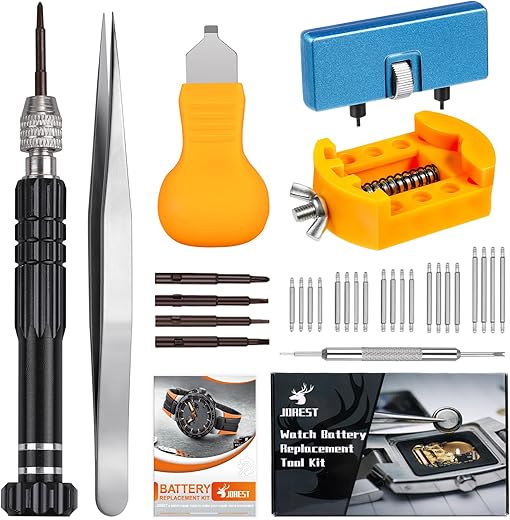
We’ll need: small screwdriver set, case‑back opener or knife, tweezers, correct OMEGA battery, soft cloth, magnifier, watch press, new gasket, nitrile gloves, steady hands.

Step 1: Inspect, Research, and Protect
Do we really need a pro—what should we check before we touch our OMEGA?Inspect the watch and paperwork before we touch anything.
Check warranty status and service history — if it’s under warranty or recently serviced, stop and consider authorized service.
Check and note these details:
Prepare a clean, well‑lit workspace:
Remove the bracelet or strap to avoid scratches. Photograph the caseback, serial numbers, and movement layout for reference — these photos save time if something looks unfamiliar later.
Wash and dry our hands or put on nitrile gloves. Gather every tool and the replacement battery (prefer OEM or high‑quality equivalent), then double‑check battery polarity and contact clips in our photos. Budget 20–40 minutes for this preparatory step.
Step 2: Open the Case Back Carefully
Want to avoid scratched lugs and mangled casebacks? Here’s how we open it like pros.Secure the watch in a case holder or a soft‑padded vise so it can’t slip. Place a soft cloth under everything and work in bright light with a loupe ready.
Warm the case slightly for a snapback: rub with our hands or use a hairdryer on low for a few seconds. Insert a thin case‑knife at the designated notch and pry gently — never force it. If it resists, stop and re‑check for hidden screws.
Align the opener to the notches for a screwback and turn counterclockwise with steady pressure. Use a proper case wrench to avoid marring. If the back has screws, use the correct screwdriver tip and place each screw in a labeled tray.
Photograph the case back orientation, any clamps, battery retainers, gaskets, and dust shields before lifting. Carefully lift the back straight off and watch for trapped gaskets or shields. Use plastic or brass tweezers to free battery clips; observe battery polarity. Keep parts labeled and avoid dust. We never touch the movement with bare fingers; we use plastic or brass tweezers to free battery clips and observe polarity. We never magnetize tools near the movement for our safety.
Step 3: Remove and Replace the Battery
Think swapping cells is just pop-and-go? Think again—polarity and clips matter.Identify the battery holder type—spring clip, soldered contact, or plastic tray—and choose plastic or brass tweezers or the correctly sized screwdriver.
Loosen or release the clip carefully; if a retaining screw is present, remove it and place it in our labeled tray immediately. For example, once we missed a tiny screw that rolled under the mat—labeling prevents that. Never use steel tweezers on the cell to avoid shorting or scratching.
Photograph the battery and note polarity (+/–) before removal. Gently lift the old cell free with plastic tweezers or a gloved fingertip; do not bend delicate contact arms or touch the balance coil.
Inspect the contact area for corrosion. If residue exists, clean very gently with a q‑tip lightly moistened with isopropyl alcohol and let it dry fully.
Insert the new, correct-numbered battery with the same polarity, seating it snugly but without force. Restore any insulating film.
Observe for ticks or check voltage with a multimeter. If it doesn’t start, recheck contacts, seating, and clip tension, then wait a few seconds before further tests.
Step 4: Reseal the Case and Protect Water Resistance
Want your OMEGA to stay watertight? The gasket is small but mighty—treat it like a VIP.Inspect the gasket carefully and decide whether to replace it. If it’s cracked, flattened, sticky, or brittle, replace it—old gaskets are the most common cause of lost water resistance.
Clean the original gasket if it’s reusable: wipe with a lint‑free cloth and a drop of isopropyl alcohol, let dry, then apply a thin, even coat of silicone grease to preserve flexibility and improve sealing. Don’t glob grease—too much attracts dirt.
Seat the gasket squarely in its channel. Ensure it lies flat and isn’t twisted or pinched; a misaligned gasket will leak. Reinstall any dust cover before closing.
Use the correct closing method for your case type:
Visually inspect the seam all the way around for uniform contact. For watches rated for water exposure, arrange a professional pressure test to protect our OMEGA and preserve resale value.
Step 5: Test, Reassemble, and Final Checks
Now the satisfying part—does it tick, tell time, and survive daily life?Reinstall the bracelet or strap and fasten it securely. Clean the case and crystal with a soft, lint‑free cloth to remove fingerprints and grease.
Set the crown and adjust date/time. Avoid changing the date between 8pm–4am for most quartz/date movements; for example, move the hands past midnight slowly rather than forcing the date wheel during the danger window.
Observe the watch for immediate function. Check:
Monitor the watch for 24–48 hours for steady operation and accuracy. If it stops or ticks erratically, recheck battery seating and contact cleanliness, or consider movement servicing. Arrange a professional pressure test if the watch will see water, and consider demagnetizing if timing is inconsistent.
Dispose of the old battery at a proper recycling center. Note the replacement date in our records, store any spare gaskets, and take one last photo of the sealed case for our maintenance log. We feel accomplished.
Wrapping Up
We’ve shown how to replace an OMEGA battery safely at home; with care, correct tools, and attention to seals we keep our watch reliable. Try it, share your results, and take pride in your handiwork today.